.
Safe Tourism for Seniors: 8 Strategic Pillars for a Perfect, Worry-Free Journey
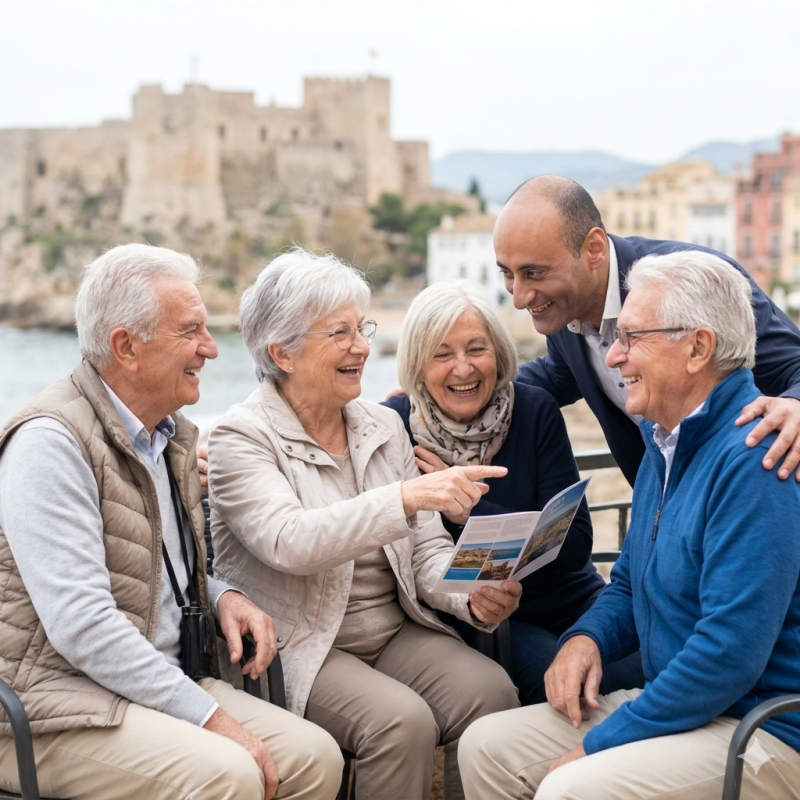
As we enter the post-retirement phase, tourism transforms from a mere recreational activity into a genuine investment in both mental and physical well-being. However, choosing a destination at this stage of life is no longer dictated by glossy photos or promotional package deals; it has become a strategic decision grounded in an integrated framework of logistical, medical, and climatic factors.
This professional report outlines eight essential elements that serve as the foundational pillars for achieving an ideal travel experience for seniors—one that guarantees a safe journey, blending the joy of exploration with complete peace of mind.
Pillar One: Climatic Considerations and Moderate Weather
Weather is the most decisive factor in the success of a trip, particularly with advancing age when the body's ability to adapt to sudden changes diminishes. It is advisable to study average temperatures during the intended travel month and avoid destinations experiencing extreme heat waves or high humidity, which directly impact blood pressure and cardiovascular strain. Additionally, rainy or windy seasons should be avoided, as they hinder mobility and increase the risk of slips or colds. Destinations with consistently moderate, temperate climates throughout the day are the optimal choice, allowing for safe and comfortable outdoor activities like morning walks.
Pillar Two: Hotel Services Level and Infrastructure
A hotel's quality is not measured by its lavish décor, but by its capacity to provide a supportive environment that exceptionally caters to seniors’ needs—a concept known in tourism standards as "preventive hospitality." The hotel must feature a 24/7 reception and concierge team for rapid emergency response, alongside appropriate infrastructure, including wide elevators, unobstructed corridors, adequate lighting, and an on-site medical clinic or formal agreements with nearby healthcare centers to ensure immediate attention to any health developments.
Pillar Three: Comprehensive Health Insurance and Medical Readiness
This element is the most critical cornerstone of any travel plan for seniors, as a health setback in an unfamiliar environment could escalate into a genuine crisis without meticulously considered insurance coverage. The policy must include explicit clauses covering emergencies and medical evacuation (air or ground) to specialized hospitals, not just primary first aid. It is also recommended to verify that the destination has internationally accredited hospitals experienced in managing chronic conditions.
Pillar Four: Pharmaceutical Preparations and Pre-Travel Medical Consultation
Before departure, pharmaceutical planning is the first line of defense against unforeseen health issues. A visit to the attending physician for a comprehensive check-up and to confirm health stability is highly recommended, along with obtaining a brief medical report in both Arabic and English detailing diagnoses and prescribed medications to facilitate communication with medical staff at the destination. It is also crucial to carry a sufficient supply of chronic medications covering the entire trip duration, plus an extra reserve. These must be placed in carry-on luggage (not checked baggage) for immediate access, alongside copies of prescriptions in case of emergencies.
Pillar Five: Wellness Programs and Balanced Recreational Activities
For seniors, tourism is not a race to visit landmarks but a contemplative experience aimed at nurturing the soul and body. Selecting destinations that offer moderate recreational programs—such as cultural events, soothing music concerts, and meditation sessions—adds a therapeutic dimension to the journey. Furthermore, the availability of spa facilities with hot water pools and specialized massage rooms significantly helps alleviate joint and muscle pain after a day of touring. It is essential to allocate ample rest time between activities to avoid physical exhaustion.
Pillar Six: Ease of Mobility and Integrated Logistics
Navigating between the airport, hotel, and tourist sites presents one of the greatest travel challenges for seniors, so transport options must be comfortable and safe. It is preferable to choose destinations with vehicles equipped for individuals with special needs and door-to-door transfer services. Additionally, the hotel's proximity to medical centers, pharmacies, and essential shops is an indispensable advantage, as this geographical closeness reduces stress, saves precious time, and ensures the traveler does not feel isolated should they require any urgent supplies.
Pillar Seven: Nutritional Quality and Dietary Flexibility
Proper nutrition is a fundamental pillar for maintaining a senior’s health while traveling. It is advisable to choose hotels offering diverse food options suitable for various health conditions, such as low-sodium meals for those with hypertension, sugar-free options for diabetics, or easily digestible choices for those with sensitive stomachs. Before booking, it is wise to contact the hotel management to inquire about customizing special meals according to one's dietary regimen and to select destinations rich in restaurants serving freshly cooked food rather than fast food or processed items that may cause digestive issues.
Pillar Eight: Linguistic Communication and Psycho-Social Support
The language barrier is a prominent source of anxiety for senior travelers. Therefore, it is recommended to choose destinations where familiar languages are spoken or hotels that provide multilingual staff, including Arabic speakers. In the absence of this, equipping mobile phones with instant translation applications and carrying a translated medical card explaining health conditions and medications is advisable. Furthermore, ease of communication with family and children through robust internet networks and international calling services is a crucial psychological factor that eliminates feelings of alienation, providing continuous reassurance to both the traveler and their loved ones.